JSE Breaks 100,000-Point Barrier for the First Time — What It Means for Your Money
The Johannesburg Stock Exchange hit a historic milestone on Tuesday, driven by foreign capital inflows, a stronger rand, and growing confidence in South Africa’s…
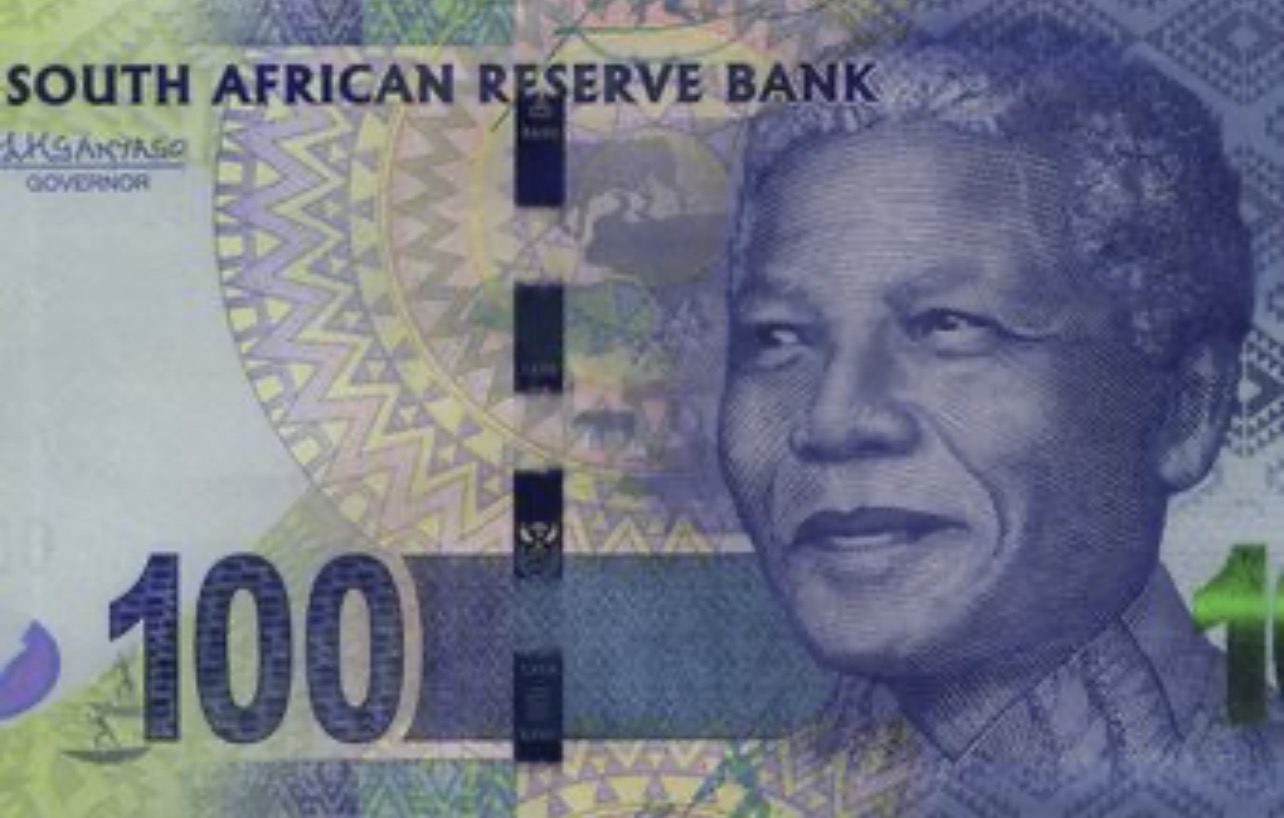
The Johannesburg Stock Exchange hit a historic milestone on Tuesday, driven by foreign capital inflows, a stronger rand, and growing confidence in South Africa’s reform agenda.
South Africa’s Johannesburg Stock Exchange closed above 100,000 points for the first time in its history on Tuesday, marking a watershed moment for investor sentiment in Africa’s most industrialised economy. The All Share Index closed at 100,847 — a gain of 18% since January 2026.
The milestone was driven by a combination of factors: a weakening US dollar that pushed capital toward emerging markets, a stronger rand trading at R17.20 to the dollar, and growing international confidence in the Government of National Unity’s economic reform programme.
What Is Driving the Rally?
Foreign portfolio inflows reached R42 billion in the second quarter — the highest quarterly figure since 2012 — according to data from the South African Reserve Bank. Mining giants, financial stocks, and retail shares all posted significant gains. Naspers added 12% in a single session after announcing a dual listing that attracted $2.4 billion in new capital.
“This is not speculative froth. Institutional investors have a credible story to tell their boards about South Africa for the first time in years.” — Dr. Lerato Sithole, Chief Economist, Stanlib
The rand’s strength has added a currency tailwind for rand-hedge stocks while simultaneously reducing import costs for manufacturing. Fuel prices are expected to drop by 80 cents per litre at the July review — welcome relief for consumers still feeling the pinch of elevated living costs.
Should Ordinary South Africans Care?
For those with pension funds, retirement annuities, or unit trusts invested in local equities, the JSE milestone is directly relevant. Fund managers say that the rally has added meaningful value to retirement portfolios across the board. However, experts caution that equity markets can be volatile, and the gains should be seen as part of a long-term investment journey rather than a signal to chase returns.
Unemployment remains above 32%, and household debt levels are still elevated — reminders that stock market performance and economic wellbeing for ordinary citizens are not always the same thing.
Leave a Reply